



About us – The Bavarian State Research Center for Agriculture
Food and drink and beautiful scenery – these basic needs of people are strongly connected with agriculture. Farm life and field work can be experienced by everyone and today the public observes closely all farm activities. As any other economic sector, agriculture depends on innovation and new technologies to remain competitive. Especially new technologies are often seen criticaly by citizens with no contact to rural life.
The LfL is an important companion for agriculture in Bavaria. On the following pages you will find all different kinds of information about our services and duties. We provide answers and solutions for questions about agriculture and farm management, environment and food production. Scientifically proven results form the basis for our work.
Flyer and further informations

The President
 Zoombild vorhanden
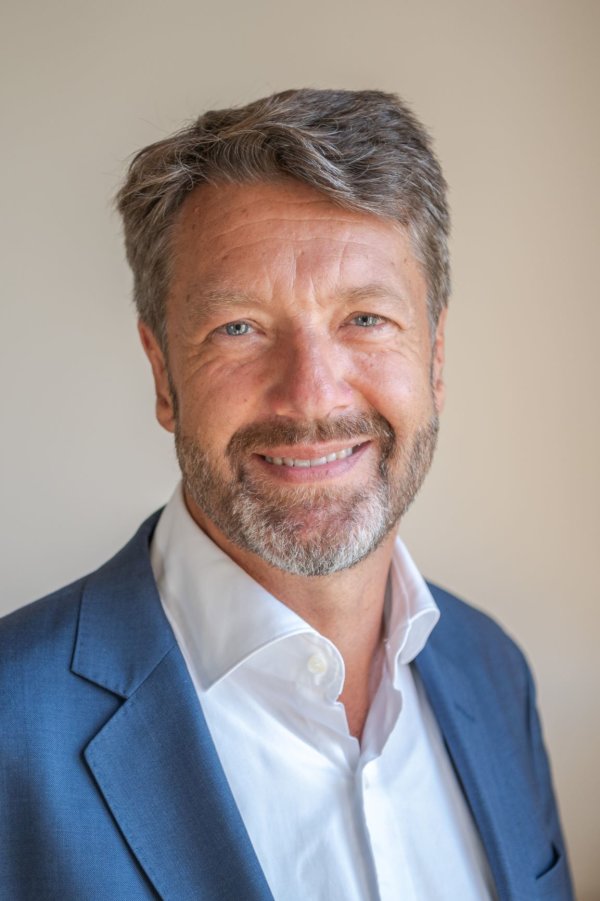
President Stephan Sedlmayer
Chairmanship and Administrative Department
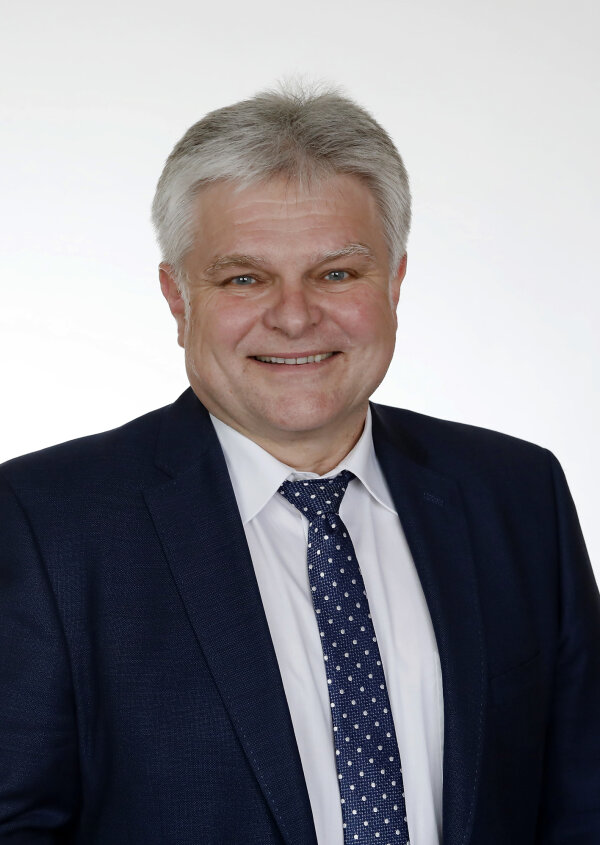
Dr. Michael Elsinger, Vice President,
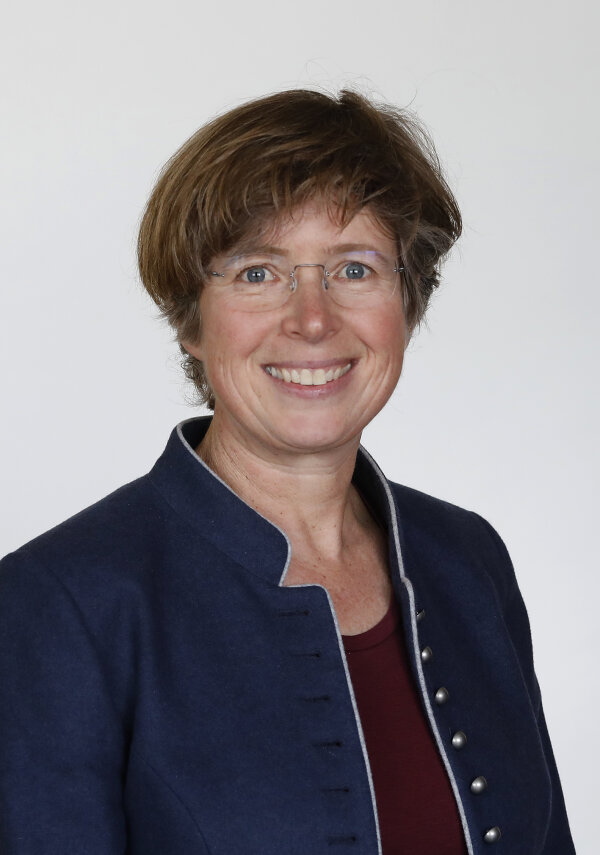
Dr. Annette Freibauer, Vice President
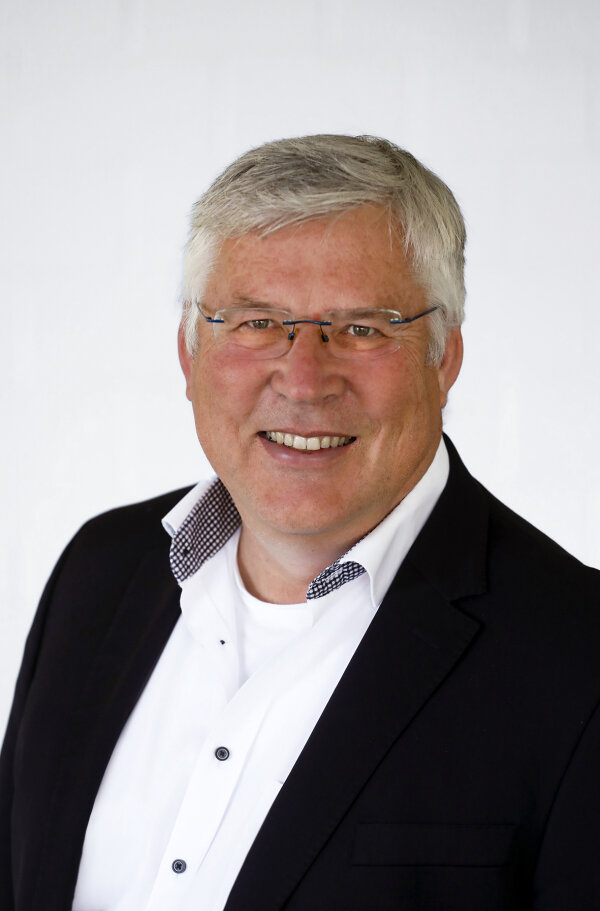
Dr. Peter Doleschel,
Institute for Crop Science and Plant Breeding
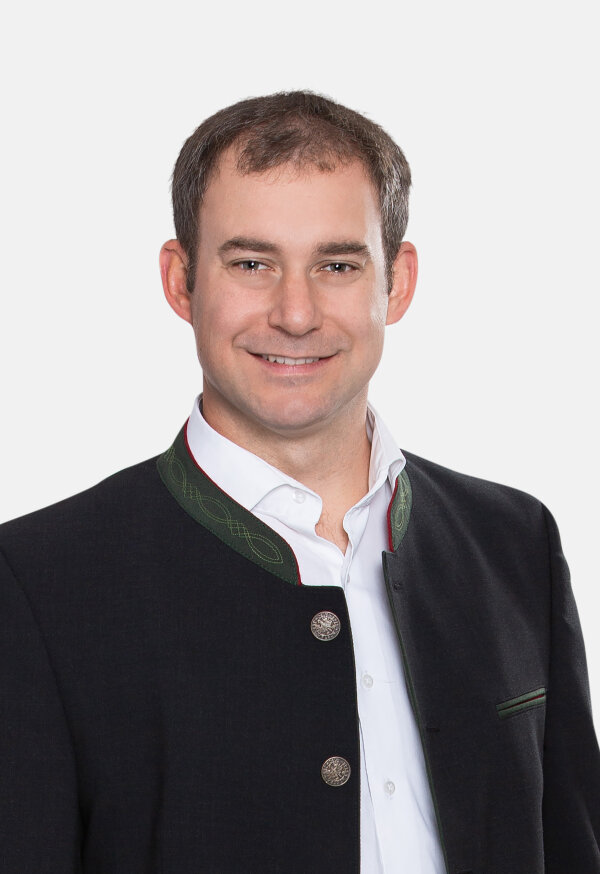
Robert Knöferl,
Institute for Agroecology and Organic Farming
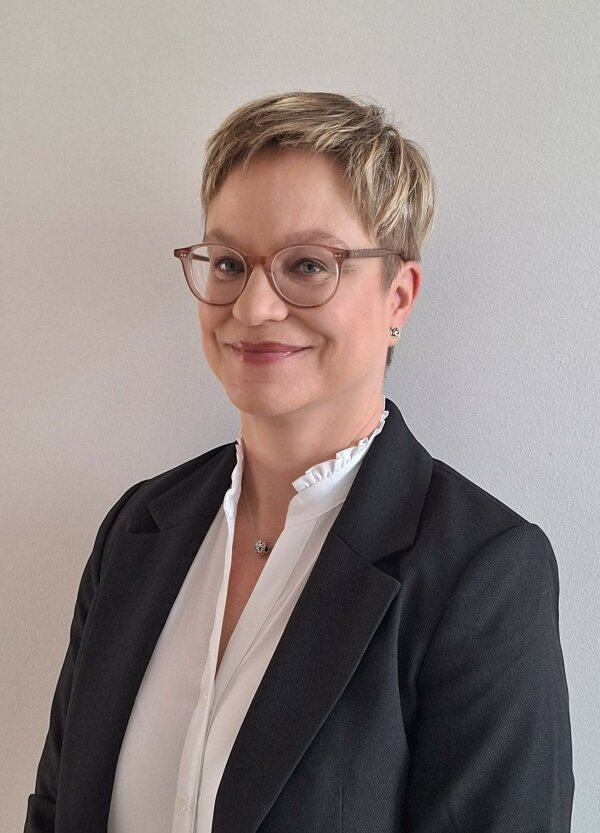
Kerstin Mitsching, Department of Administration, Advisory
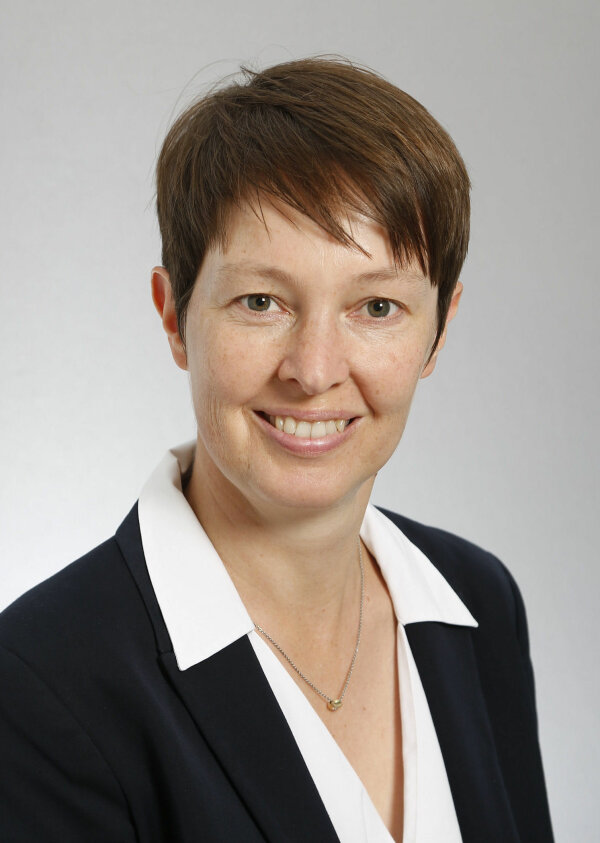
Dr. Monika Prasch, Presidential Office, Advisory
Presidential office
Dr. Monika Prasch
Lange Point 12
85354 Freising
Tel.: +49 8161 8640-5806
E-Mail: Praesidialbuero@LfLbayern.de
LfL-Research and work priorities
The institutes form the basis of the LfL, developing project-oriented solutions for the future. The operational program of the LfL provides guidelines for these purposes. The departments regard themselves as service providers which support the institutes to fulfill their plans and projects.
Additionally, they have clearly defined tasks in training and the implementation of EU and national guidelines and programs. The central departments contribute decisively to the successful work of the LfL by providing analyses and legally defined investigations.
Research and main work areas
With their five year work program, the institutes get the basic orientation for their research projects and main work areas. In the main areas with comprehensive challenges or issues, such as climate change, animal-friendly housing systems or biogas production, interdisciplinary work between institutes and departments is essential. Thus, farm managers can profit from the solutions and information available, considering all individual aspects of agriculture and the entire agricultural system.
Cooperation creates synergies
Deutsche Agrarforschungsallianz (DAFA)